Book Club
social.group.members
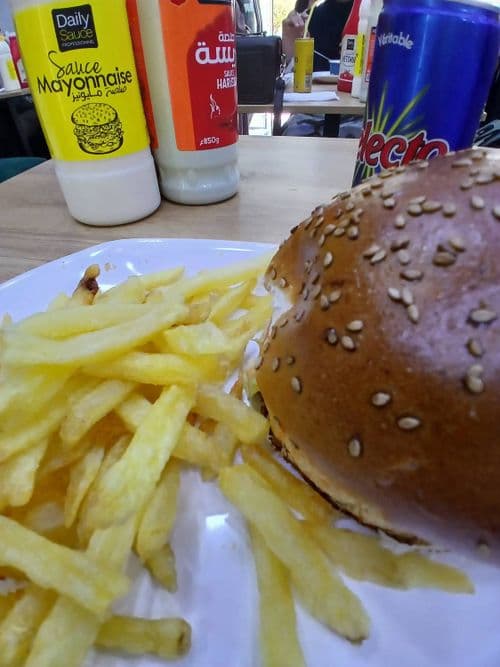
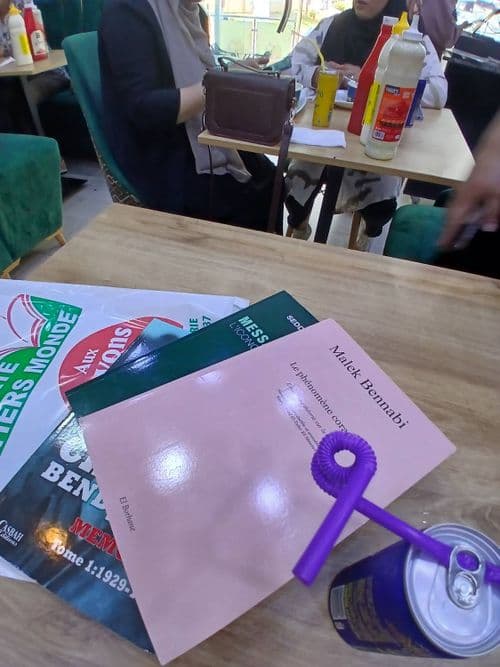
📚 Calling all Bookworms 🐛✨ we devour books faster than pizza (almost), so share the best thing you’ve read recently!
@Mulkiyya91963893
The Books We Never Finish
"I will finish it later."
The book closed with a quiet thud.
It found its place on the shelf, somewhere between good intentions and ordinary life.
Days turned into weeks.
Weeks quietly became months.
Every now and then, someone would dust the cover, smile, and say,
"One day."
Funny, is it not?
We rarely feel guilty about an unfinished book.
We simply believe it will wait for us.
And somehow...
It does.
I wonder why we are so much kinder to unfinished books than we are to unfinished versions of ourselves.
A dream we have not started.
A habit we are still building.
A prayer we are trying to be consistent with.
A heart that is still learning how to heal.
Maybe not everything unfinished has been forgotten.
Maybe some things are simply waiting for the right season.
After all...
The story was never angry that you needed time.
Perhaps you should not be either.
@Ayikah
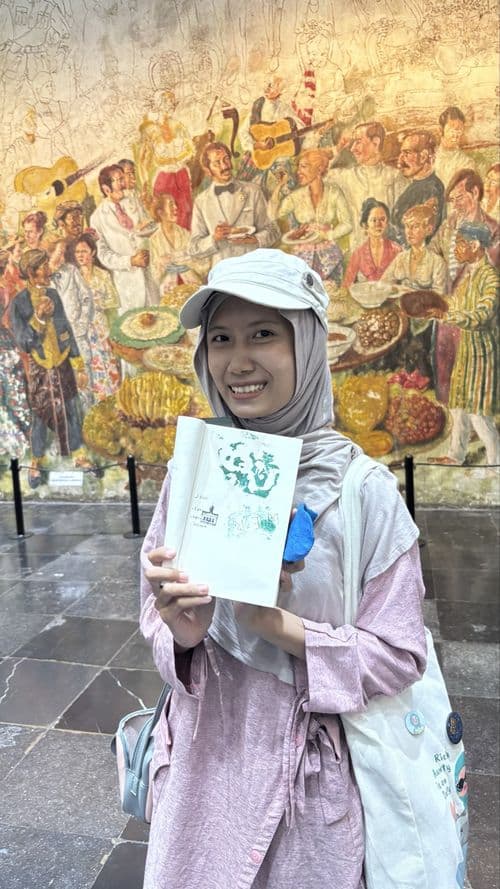
I get so excited whenever I collect stamps from different museums 🤩
@Ovi
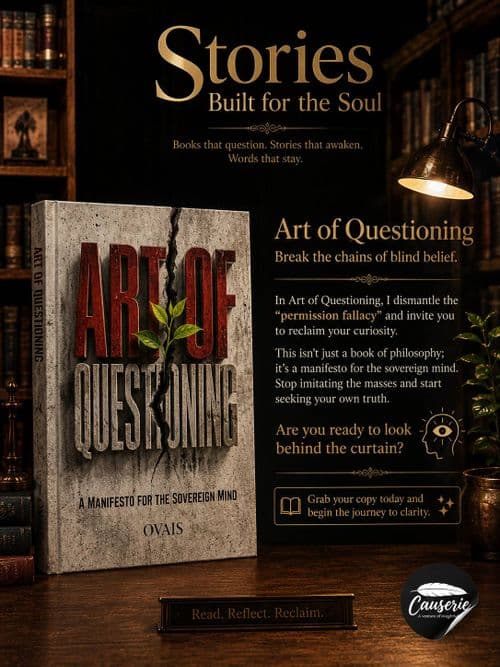
Art of Questioning
Break th chains and shackles of blind beliefs you believe without introspection...
@ARactivity
I was too old when he first became famous. Like Ustadh Ammar, one of the younger teachers at AlMaghrib Institute. We know why sisters like him. Lol. But I am proud of our brother, Saad Tasleem. Sh. Saad, a graduate from shariah program in Madinah University, has published a book in English on 'The Devil.' He has made the bold claim that, english or arabic, this book is the most comprehensive book on the Devil or Shaytaan. You know what that means...God knows best.
https://m.youtube.com/watch?v=iMKxaD-UN8M&pp=ugUEEgJlbg%3D%3D
@Darkside8997
Dear Person,
@shaboogle
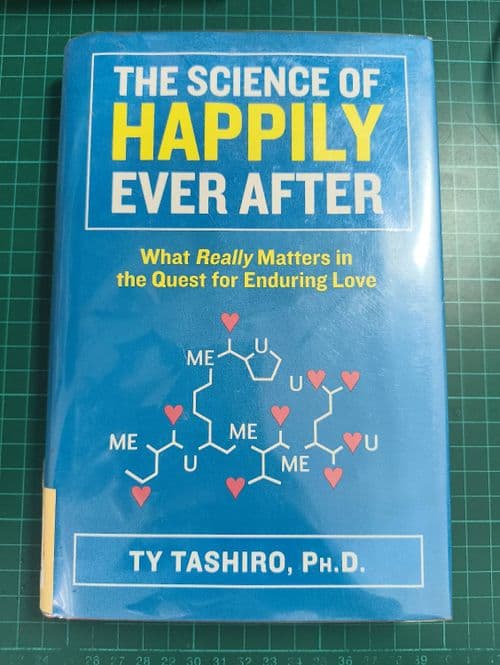
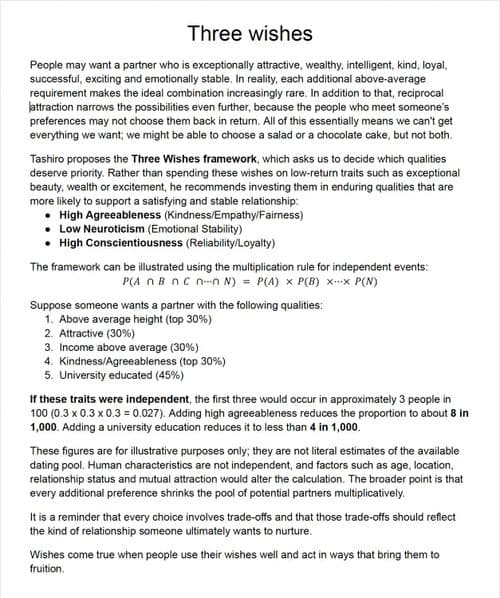
In The Science of Happily Ever After, Ty Tashiro argues that lasting love depends partly on recognising the traits that predict how someone will behave over time. Rather than relying entirely on attraction or romantic intuition, we should combine heartfelt intuition with careful reasoning and prioritise qualities that support a healthy, stable relationship.
# Why Finding Lasting Love Is Difficult
Choosing a partner is one of the most consequential decisions we make, yet our judgment is easily influenced by physical attraction, wealth and initial infatuation. We may reject someone who does not initially appear attractive or pursue someone based largely on appearance or status before considering their character.
Romantic intuition is not always reliable. Strong emotions can encourage us to idealise a potential partner, while people usually present their best selves during the early stages of a relationship. Positive qualities are easy to see, whereas selfishness, emotional instability and poor conflict habits may remain hidden.
These choices become more consequential as emotional investment, responsibilities and shared experiences accumulate. The person who initially “tugs at our heartstrings” may later be capable of “ripping our heart out”.
Tashiro, therefore, encourages readers to think carefully about what they want before being swept up by strong emotions. A relationship’s future depends not only on how it feels at the beginning, but on whether both people possess the qualities needed to sustain it.
# Liking and Lusting
Romantic love combines liking and lusting:
- Lust creates desire, excitement and the intensity associated with passionate love.
- Liking creates companionship, affection and genuine enjoyment of another person.
However, the two forms of love do not endure equally. Passion is intense but ephemeral, while affection and companionship are more enduring. Once the honeymoon phase fades, friendship, character and the partners’ treatment of one another become increasingly important.
Someone seeking lasting love should therefore invest disproportionately in choosing a person they genuinely like. Attraction may kick start a relationship, but enduring affection is more likely to preserve it.
Do not prioritise fleeting passion over enduring affection.
# Healthy Love and the Preservation of Self
The philosophical problem with a purely romanticised notion of love is how to deal with the concept of stability. One could argue for creating a passionate and beautiful relationship, even if it goes up in flames, because at least there was a beautiful moment when both people felt so passionate and alive. Whether this is true or not, there is a practical aspect to dealing with a once beautiful relationship that has become unsatisfying or unstable, which is entirely unpleasant.
Additionally, people tend to hold onto unhappy relationships because they have already invested considerable time and effort. Yet past investment is not a sound reason to continue a relationship that no longer offers a healthy future.
There is nothing more tragic than to observe the mistreatment inflicted by a manipulative romantic partner on someone who is inherently a good person. A loved one who is kind and full of potential becoming stunted or compromised by a romantic relationship is one of the most tragic transformations in psychology, because there is no outcome as sad as a person's loss of a sense of self.
Healthy relationships don't cause people to lose a sense of themselves in a passionate blaze. Healthy relationships affirm, or even magnify, what is inherently best in a person, create an intrinsic motivation to mitigate one's worst proclivities, and provide one with the Strength to believe in one's finest talents. Yet people still fall prey to the romantic notions of love, which have the makings of a tragic end.
The purpose of love is not merely to remain together, but to create a relationship in which both people can flourish.
# Wealth and Attractiveness
Modern singles want to invest in traits associated with reproductive fitness, such as physical attractiveness and access to resources. But they also want to invest in traits associated with romantic-era hopes of dizzying levels of eternal happiness in marriage.
Physically attractive people receive more favourable treatment than less attractive people. Despite these advantages, they ultimately end up no better off than less attractive people in terms of traits and relationship outcomes. Furthermore, attractiveness does not consistently lead to kinder partners or more satisfying relationships.
Tashiro therefore distinguishes between wanting sufficient attraction and attempting to maximise beauty. Some attraction is necessary, but choosing the most attractive available partner may come at the expense of qualities that matter far more in the long run.
Is the fleeting beauty worth the chronic misery you may endure?
Wealth follows a similar pattern. There is nothing wrong with wealthy people. It’s just that having a lot of money isn't a strong predictor of relationship outcomes. There's nothing more demoralising than feeling alone in a barren, impoverished relationship. Financial insecurity can place significant pressure on a relationship. Collectively, the data on economics and marriage suggest that you want to select a partner who will ensure that your household income clears the poverty line with some room to spare. So if you are both working, it is the sum of both your incomes that matters.
The long-term risk of choosing a partner based on wealth is that it prioritises money and materialism as primary values in a relationship: "I selected you for your money, now you'd better provide what I expected”
Beauty and wealth are not undesirable. The problem is treating them as substitutes for character. The economics of marriage are not predicated on a zero-sum game but rather on an unconditional emotional, financial, and lifestyle investment in each other.
# Personality and Relationship Success
A partner’s personality and values are among the strongest indicators of whether a relationship will remain happy and stable after the excitement of courtship has faded.
Personality traits describe relatively consistent patterns in how people think, feel and behave. Unlike appearance, desirable psychological qualities are not well advertised. They must be identified by observing how someone treats others, handles responsibility and responds to stress.
Given the big 5 model of personality:
- Openness to Experiences
- Conscientiousness
- Extroversion
- Agreeableness
- Neuroticism
Tashiro places particular importance on:
Agreeableness includes kindness, empathy, warmth and concern for others. Agreeable partners are more likely to cooperate, respond compassionately and handle disagreements fairly.
High neuroticism, such as anxiety, irritability, or emotional volatility, is one of the strongest predictors of relationship dissatisfaction because emotionally unstable partners may react disproportionately to stress and create repeated conflict.
High openness can be associated with curiosity and adventure, but extreme novelty seeking may also contribute to impulsivity, unfaithfulness, and reduced stability long term.
People can change, but it is risky to enter a relationship depending upon the hope that someone will eventually overcome a damaging trait. A more sensible approach is to choose a partner whose existing qualities already offer a sound foundation. Partners who give your relationship the best chance of success also tend to be the kind of people who are most likely to manage whatever weakness they have with maturity.
# Attachment
Attachment theory helps explain how people manage closeness, trust and separation. Although attachment does not determine whether a relationship will succeed, it can indicate how someone is likely to respond to affection, vulnerability and dependence.
I reviewed the book ‘Attached’ before, so in short, seek out a partner who can return your affection and enthusiasm, can empathise with you, and has sufficient self-esteem to accept love and positive attention. These traits pave the way to a lasting, fulfilling relationship.
# How to Assess a Potential Partner
Tashiro proposes three stages for evaluating the future of a relationship:
## Observe
Pay attention to how your partner behaves, particularly during stress, disappointment and disagreement. Character is often more visible when someone does not get what they want.
During the early stages of dating, it's important to keep an eye out for concerning behaviour that leads to large withdrawals from the emotional bank account and poses a growing risk as the relationship progresses.
Potential partners likely know just how costly displays of emotional instability are when trying to attract a mate, which makes them more likely to conceal these traits. However, careful observation and attention to potential partners' histories and their reactions under stress can be telling.
## Catalogue
Organise these observations around recurring traits rather than isolated incidents. Consider personality, attachment, treatment of others, willingness to accept responsibility and patterns within previous relationships.
## Predict
Use these patterns to judge whether the relationship is likely to remain satisfying and stable.
Everyone makes mistakes, so the aim is not to search for perfection. What matters is the repeated balance of positive and negative behaviour. Persistent manipulation, selfishness, contempt, hostility or emotional volatility should not be dismissed because the relationship also contains attraction or affection.
Friends and family may also see the relationship more clearly because they are less influenced by infatuation. While their opinions are not automatically correct, repeated concerns from trusted people deserve serious consideration.
@Cammy_235
Thinking of making my own Substack, and just publishing my thoughts, or even writing my own stories on there- feel like there would be potential. Just want to make it grow
I’ve already started writing a short story- I’ve decided it is probably going to be cyberpunk theme
@Mohammadmuhaimin
https://go.obsn.media/a-m1n
The wait is over


The Archive | OBSN Media
https://obsn.media/the-archive/?aid=m1n
@Mohammadmuhaimin
THE WAIT IS OVER. THE CLINIC IS OUT NOW.
https://go.obsn.media/a-m1n

The Archive | OBSN Media
https://obsn.media/the-archive/?aid=m1n
@KheiraDZ
Food for the brain!!!!
Happy!!!!