Islam
social.group.members
🕋 Spirituality, hadiths, Islamic history and teachings. Connect with fellow members in enlightening conversations as we seek a deeper understanding and appreciation of Islam.
What do the concepts of good, evil, and morality mean to you?
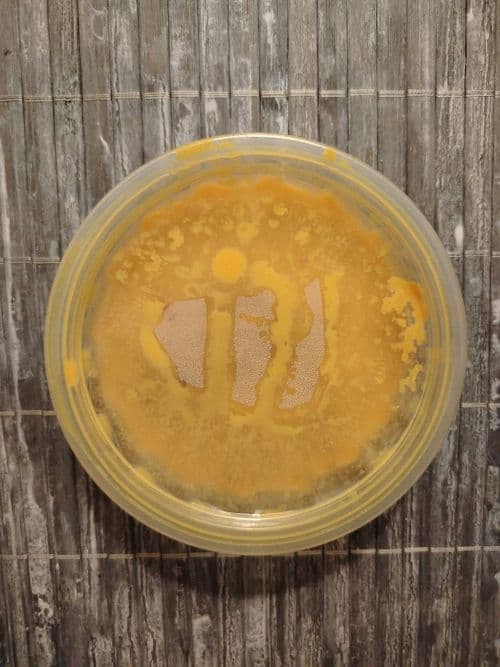
SubhanAllah.... Can you see It?... Today it appeared on my food.
Bismillah.
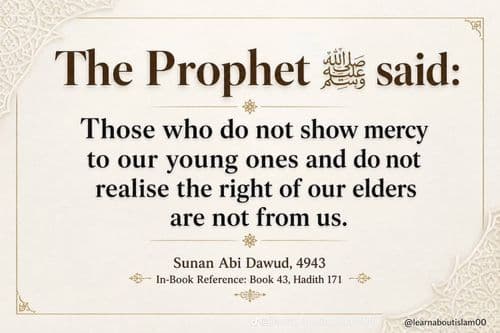
The Prophet said:
Those who do not show mercy to our young ones and do not realise the right of our elders are not from us.
Sunan Abi Dawud, 4943 In-Book Reference: Book 43, Hadith 171.
Don't repost with add music or nasheed. Barakallahufiikum.
https://www.tiktok.com/@learn_about_islam00
https://vt.tiktok.com/ZSQycwv42/
Source and References
This text represents a foundational principle of Islamic social ethics and is recorded in multiple authoritative collections of Hadith with slight variations in wording:
***Sunan Abi Dawud:* Hadith 4943 (Book 43, Hadith 171) As cited in the image.
***Jami' at-Tirmidhi: Hadith 1919 (Book 27, Hadith 25). In this narration, the wording used is "and know the honor of our elders" ) وَيَعْرِفُ شَرَفَ كَبِيرِنَا (, and it is classified as Sahih (authentic).
***Musnad Ahmad: Alternate narrations include the phrasing "and recognize the rights of our elders" )*** وَيَعْرِفُ حَقَّ كَبِيرِنَا (. Detailed Context and Meaning The phrase "He is not one of us" (Laysa minna) is used by Prophet Muhammad to indicate a severe departure from the standard character, moral conduct, and guidance expected of a Muslim. It does not necessarily mean a person is cast out of the religion entirely, but rather that their behavior contradicts the core ethical framework of the community.
- Mercy to the Young (</CUSTOM_BOLD>Rahma<CUSTOM_BOLD>)
***Nurturing Environment: Islam emphasizes that children are born with an innate purity (fitrah) and require gentleness, love, patience, and proper education rather than harshness.
***Prophetic Example: The Prophet was
famously known for his extreme gentleness with children; he would cut his prayers short if he heard a baby crying to relieve the mother's distress, and he frequently embraced and played with his grandchildren, Hasan and Husayn.
- Respect and Rights of the Elders (</CUSTOM_BOLD>Sharaf /Haqq<CUSTOM_BOLD>)
***Recognition of Wisdom and Sacrifice: Elders are afforded a status of dignity and honor because they have spent their lives contributing to society and accumulated experience and wisdom.
***Social Responsibility: Honoring the elderly involves speaking to them with deference, prioritizing them in gatherings and service, caring for them in their frailty, and seeking their counsel. Another well-known Hadith complements this by stating, "Part of glorifying Allah is showing honor to an old Muslim."* (Sunan Abi Dawud).