
Single Parents
social.group.members
Are you a single parent? Mums and Dads, don't feel alone. Talk to other single parents right here
Hy
Aslaam o Alaikum
Single father here
Age 31
From Lahore
As salamu aleykum the sky is very beautiful really

Choose the person who chooses you. “Don’t chase people who only see you as an option.
You deserve someone who is sure about you, not someone who keeps you guessing.
💛💛💛
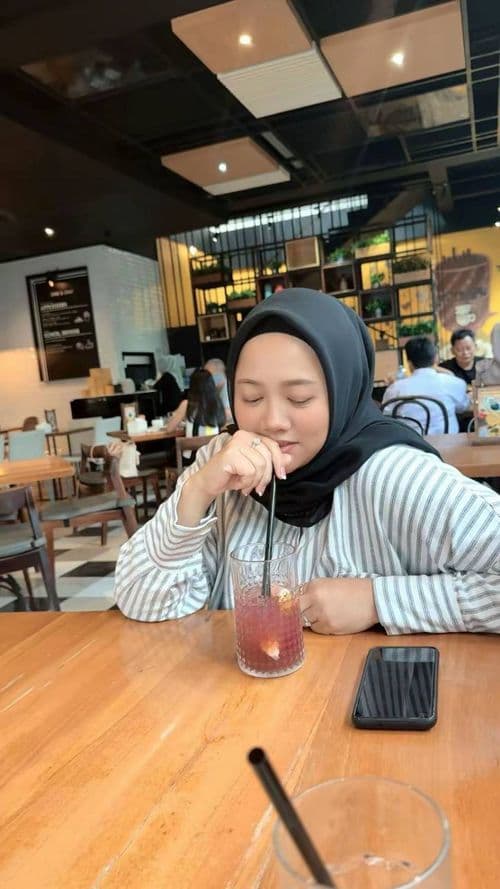
Waiting for someone worth watching sunsets with 🥲

Early Signs of Narcissistic Traits Before Marriage: A Philosophical and Islamic Reflection
In relationships, especially before marriage, people often present a refined version of themselves. Yet beneath charm, confidence, or intensity, there can sometimes be patterns of self-centeredness that are not immediately obvious. In modern psychology this is often described as narcissistic traits, but in a broader moral and spiritual sense it can be understood as imbalance in character — where the self consistently outweighs empathy, accountability, and humility.
From an Islamic perspective, character is not judged only by appearance or speech, but by khuluq (inner conduct), especially under pressure. The Prophet Prophet Muhammad said:
“The best of you are those with the best character.”
This places moral weight not on charisma or presentation, but on how a person treats others when desires, disagreement, or ego are involved.
Early signs in behavior and mindset
One early pattern is excessive self-focus. Conversations repeatedly return to their achievements, needs, or experiences, with limited genuine interest in others. At first, this may appear as confidence, but over time it reveals a lack of emotional reciprocity.
Another sign is difficulty accepting correction. A balanced person can reflect, apologize, and adjust. A narcissistic pattern resists accountability, often shifting blame outward or reframing every mistake as someone else’s fault. In Islamic ethics, humility (tawāḍuʿ) is considered essential to maturity, while pride (kibr) is seen as a barrier to truth.
A third sign is inconsistency between image and behavior. Some individuals carefully manage how they are perceived, especially in public or early interactions, but show disregard, control, or emotional detachment in private. This gap between appearance and reality is often where deeper traits become visible over time.
There can also be a tendency to idealize and then devalue others. In the beginning, they may show intense admiration or attachment, but later become critical, dismissive, or emotionally distant once expectations are not met. This cycle reflects instability in how they relate to others as individuals rather than extensions of their own even if .
Islamic and philosophical framing
Islam does not label people by modern psychological terms, but it deeply addresses the inner diseases of the heart. Traits like arrogance, self-importance, manipulation, and lack of empathy are understood as spiritual illnesses that distort relationships and distance a person from balance.
The Qur’an warns against pride and self-exaltation:
“Indeed, Allah does not like the arrogant and boastful.”
— Quran 4:36
Philosophically, narcissistic traits can be understood as an over-centering of the self, where identity becomes fragile without admiration from others. Such a person may appear strong externally but is often internally dependent on validation, control, or superiority to maintain self-worth.
A grounded conclusion
Before marriage, the most important observation is not perfection, but pattern. Everyone has flaws, but consistent inability to show humility, empathy, or accountability is significant. Islam encourages looking beyond surface attraction toward character stability, emotional responsibility, and sincerity.
In the end, healthy relationships are not built on idealized images, but on the ability of two people to remain just, self-aware, and respectful when ego is challenged.